
Safer play, provincial rules
Responsible Gaming and House of Fun in Canada
Age limits, regulator resources, and how to keep House of Fun sessions under control.
Age limits and provincial oversight
Legal gambling age in Canada is not uniform. Alberta, Manitoba, and Quebec set the threshold at 18, while every other province and territory requires players to be 19. Anyone reviewing House of Fun or any other slot for a Canadian audience needs to check which rule applies where they are, since the game itself does not adjust to local law — the operator does.
Oversight also splits by province. Ontario's iGaming market runs under AGCO (Alcohol and Gaming Commission of Ontario), which licenses operators and sets conduct standards for regulated sites. British Columbia routes complaints and player protection matters through GPEB (Gaming Policy and Enforcement Branch). Quebec's landscape is shaped by Loto-Quebec, which operates the province's own gambling framework rather than licensing third-party sites the way Ontario does.
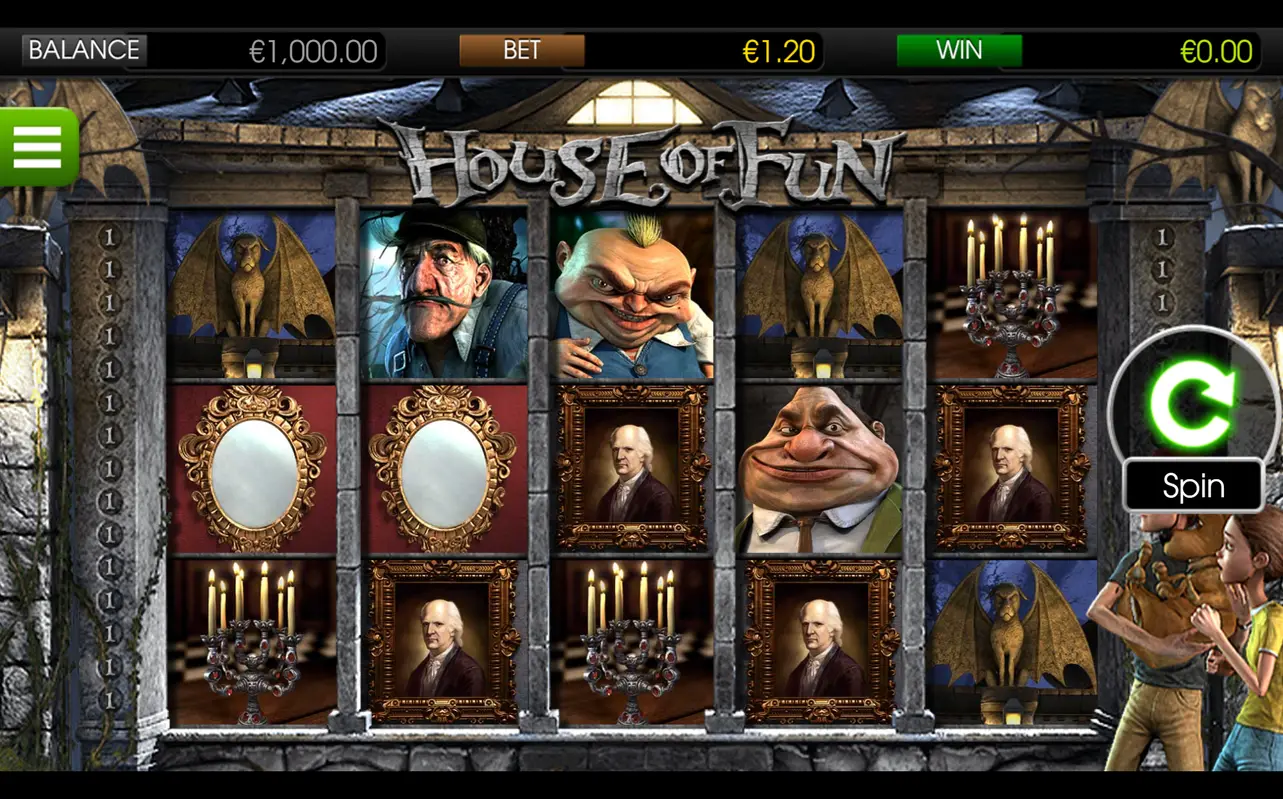
This matters for a title like House of Fun because the slot itself — a 5x3, 30-payline machine with a 94.96% RTP and medium volatility — is identical wherever it's offered. What differs is the legal and regulatory wrapper around the site hosting it. A Betsoft game does not carry provincial certification on its own; that responsibility sits with the licensed operator, and players in Ontario, BC, or Quebec are protected (or not) depending on which platform they choose.
None of this changes how the game plays: free spins still trigger from three jackbox symbols on reels 2, 3, and 4, and hit frequency stays at 44.52% regardless of jurisdiction. What changes is the accountability structure standing behind the site running it.
Setting limits before a session
House of Fun's medium volatility and 44.52% hit frequency mean wins land often enough to keep a session moving, but the payout structure isn't built for large swings in either direction. That steadier rhythm can make it easy to lose track of time, since neither big losses nor big wins tend to interrupt play the way high-volatility titles do.
Most licensed Canadian-facing operators offer deposit limits, loss limits, and session-time reminders as standard account tools. Setting these before playing House of Fun — rather than after a session runs long — is the more useful order of operations. A demo version of the game exists precisely for players who want to see the free spins mechanic, the middle-reel wild, or the Click Me and Escape bonus rounds without staking real money first.
Provincial resources exist specifically for players who find limit-setting difficult on their own. AGCO-licensed sites in Ontario are required to surface self-exclusion tools; GPEB in BC and Loto-Quebec both maintain independent contact points for players seeking help outside the operator relationship. These aren't tied to any single game or provider — Betsoft has no house-specific responsible gaming program beyond what the licensed operator implements.
The math behind House of Fun doesn't reward chasing losses. Medium volatility with a sub-95% RTP means the game is built for entertainment over long, controlled sessions, not for recovering a bad run in a single free-spins trigger. Treating it that way, with limits set in advance, matches how the game is actually structured to pay out.